
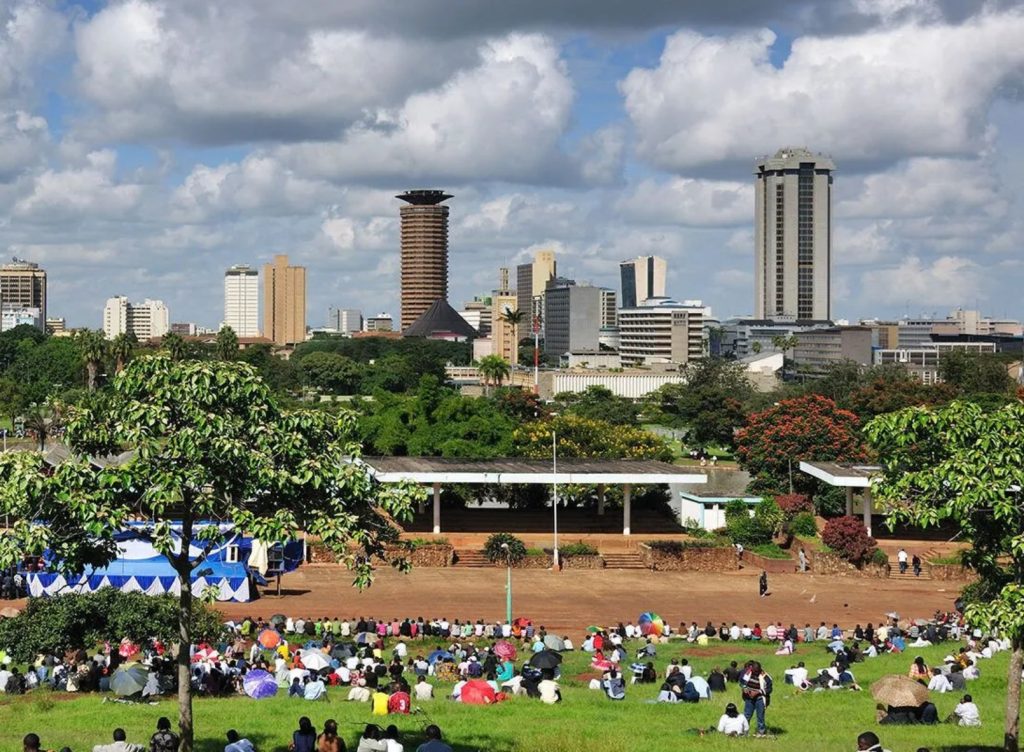
Nairobi’s walking culture influence Kenya’s political thinking?
In the bustling city of Nairobi, walking has evolved beyond a mere means of getting from point A to point B It has become a lifestyle. The city’s residents have embraced a walking culture so enthusiastically that it has turned into a competitive sport of sorts, often tracked on digital devices like smartphones and smartwatches. Step counts, distance covered, and fitness goals have become daily achievements to be celebrated, with accountability shared through apps and social networks. This collective motivation fuels not just individual health, but a sense of community, where people push and inspire each other toward consistent progress. Yet, this spirit of competition and collective accountability raises an important question: why has this motivation not translated into other areas of civic engagement, like voting? In a nation where political decisions shape the daily lives and future of its citizens, voter turnout and active participation often fall short. Despite the passion Kenyans show for personal growth and shared goals in fitness, this drive rarely carries over to the democratic processes that require similar commitment and collective effort. The walking culture in Nairobi is driven by a mix of personal benefits and social influence. Digital devices offer instant feedback on performance, and social media platforms provide spaces for friendly competition and encouragement. Imagine if voting — and political participation in general — had the same level of visibility and engagement. What if casting a vote or participating in civic discussions was as celebrated as hitting a 10,000-step goal? The lack of such a framework around voting leaves it as an individual responsibility, rather than a collective achievement. Moreover, the sense of accountability seen in Nairobi’s walking culture is largely absent in the political sphere. When people track their steps, they often share their progress publicly, creating a sense of peer pressure and encouragement. In contrast, voting is a private act, and the lack of immediate feedback or visible impact makes it harder for people to feel the same urgency and accountability. If voters had ways to see the collective results of their participation beyond just election outcomes — perhaps through community discussions or digital platforms tracking civic engagement — it could foster a similar spirit of competition and progress. Another key factor is the tangible, daily impact of walking. The health benefits are immediate and visible: better fitness, weight control, and mental well-being. Political participation, on the other hand, often feels removed from daily life. The impact of a single vote or an act of civic engagement can seem distant and abstract. Bridging this gap requires creating more opportunities for citizens to see the direct influence of their participation on their communities. The walking culture also thrives on consistency. People walk every day, and their progress accumulates over time. Civic engagement, however, is often limited to occasional events like elections, making it harder to build and sustain habits. Encouraging ongoing involvement — through regular community meetings, civic education, and participatory governance — could help create a culture of consistent political engagement. Nairobi’s walking culture offers a powerful model for how collective motivation and accountability can drive positive behavior. By applying these principles to voting and civic participation, Kenya has an opportunity to strengthen its democracy and empower its citizens. Imagine a future where casting a vote carries the same sense of achievement as completing a fitness goal — and where both acts are celebrated as steps toward collective progress. The challenge, and the opportunity, lies in finding ways to make civic engagement as visible, rewarding, and consistent as the steps we take each day.
